
Carbon Laser Hollywood Facial: What Makes It Different from Regular Carbon Laser?
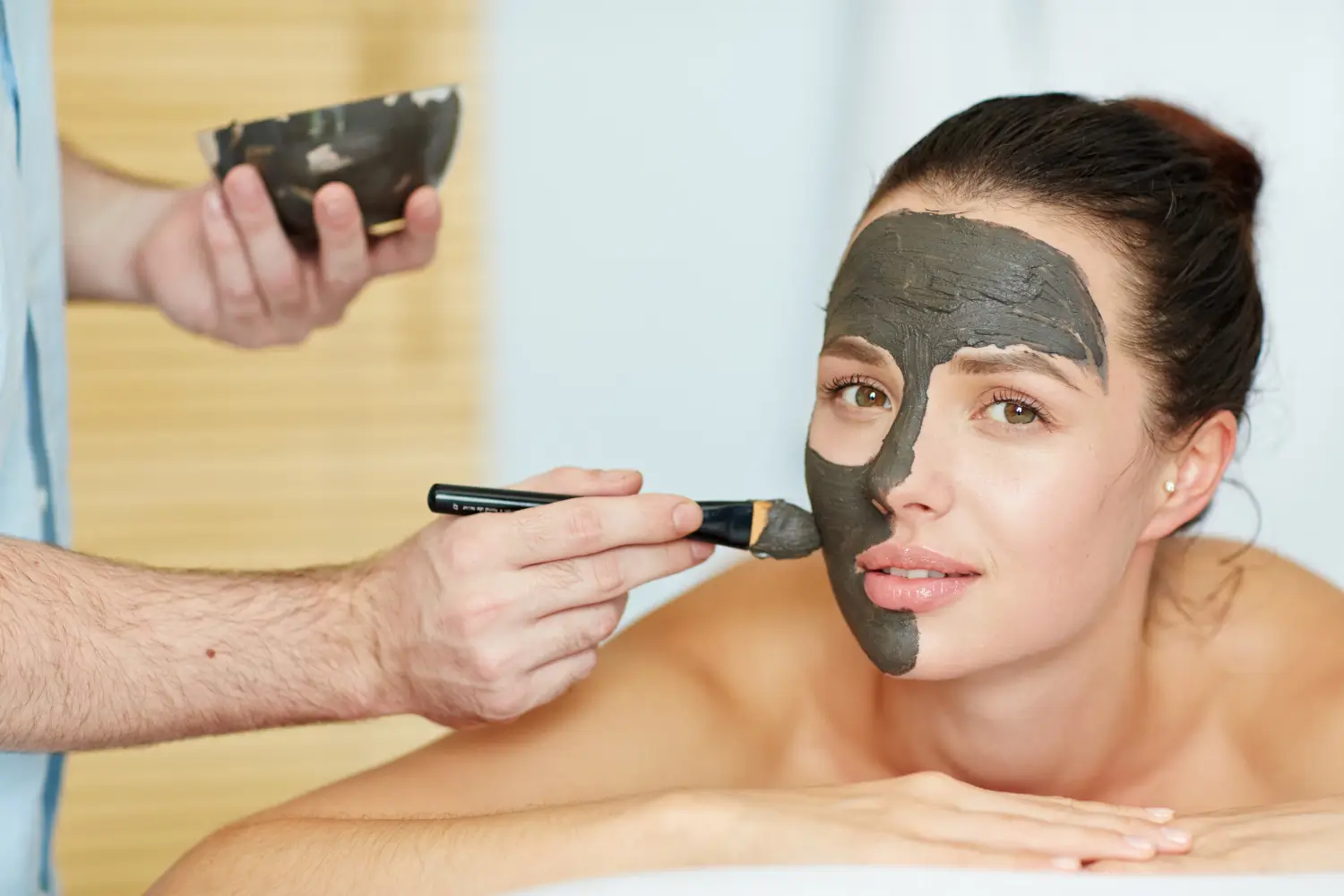
Glowing, camera-ready skin is no longer reserved for celebrities. One treatment that has gained significant popularity across India is the Carbon Laser Hollywood Facial, often promoted as a quick way to achieve brighter, smoother, and more refined skin with minimal downtime. But many people are confused by the terminology. Is a Carbon Laser Hollywood Facial different from a regular Carbon Laser treatment, or are they simply different names for the same procedure? The answer is a little more nuanced. While both treatments use a carbon lotion and laser technology, the Hollywood Facial is typically designed as a comprehensive skin-rejuvenation experience focused on instant radiance, whereas regular carbon laser sessions may target specific skin concerns more aggressively. A Carbon Laser Hollywood Facial is a non-invasive laser treatment that combines a medical-grade carbon lotion with Q-Switched laser technology. The carbon particles absorb oil, dirt, dead skin cells, and impurities from the skin's surface. When the laser passes over the face, it targets the carbon particles, creating a gentle exfoliating effect while stimulating collagen production and improving overall skin texture. The treatment became popular because many celebrities reportedly used it before red-carpet appearances, leading to the nickname "Hollywood Facial." The skin is thoroughly cleansed to remove makeup, sunscreen, and surface impurities. A thin layer of liquid carbon is applied across the treatment area. The carbon penetrates pores and binds with oil and debris. A Q-Switched laser is passed over the skin. The laser energy interacts with the carbon particles, removing impurities and dead skin cells. The treatment is usually followed by soothing serums, sunscreen, and hydration products. The entire process generally takes 30–60 minutes, making it suitable even during a lunch break. In many clinics, including Siama, treatment protocols may be customized depending on individual skin concerns rather than strictly following one label. Most patients notice fresher and more radiant skin immediately after treatment. The exfoliating action helps reduce roughness and promotes smoother skin. The treatment can help regulate excess sebum production, making it attractive for oily skin types. While pores cannot permanently shrink, they often appear less visible after treatment. Most individuals return to normal activities immediately. Like any cosmetic procedure, there are limitations. Results are not permanent Multiple sessions may be required Temporary redness can occur Not suitable for everyone without professional evaluation Severe pigmentation issues may need additional treatments A consultation with a qualified dermatologist remains essential before undergoing any laser procedure. Pricing varies depending on clinic reputation, technology used, practitioner expertise, and city. Actual fees may vary based on individual requirements and treatment goals. Dermatology clinics across India are seeing increased demand for non-surgical skin treatments that deliver visible results without significant downtime. Carbon laser facials remain popular because they address multiple concerns simultaneously, including dullness, uneven texture, enlarged pores, and excess oil. According to published dermatology literature, laser-based skin rejuvenation techniques continue to evolve, with clinics increasingly combining lasers with personalized skincare protocols for improved outcomes. At Siama, practitioners often emphasize skin assessment before recommending any laser procedure, ensuring the treatment matches the patient's skin type and concerns. Skin health requires ongoing care. While results can be impressive, maintenance is often needed. Most patients describe the procedure as comfortable, with only mild warmth or tingling. The treatment can benefit individuals seeking brighter skin, improved texture, and pore refinement. The Carbon Laser Hollywood Facial and regular Carbon Laser treatments share similar technology, but their goals often differ. The Hollywood Facial focuses on achieving an instant glow, smoother texture, and refreshed appearance, while regular carbon laser treatments may be customized to address concerns such as acne, pigmentation, and excess oil. For individuals seeking a non-invasive skin rejuvenation option with little downtime, the Carbon Laser Hollywood Facial can be an effective choice. The best results, however, come from proper skin assessment, realistic expectations, and treatment performed by experienced professionals such as those at Siama. National Center for Biotechnology Information (NCBI) –https://www.ncbi.nlm.nih.gov Indian Association of Dermatologists, Venereologists and Leprologists (IADVL) –https://www.iadvl.org Ministry of Health and Family Welfare, Government of India –https://www.mohfw.gov.in National Health Portal of India –https://www.nhp.gov.in Siama –https://www.siama.inWhat Is a Carbon Laser Hollywood Facial?
How Does the Procedure Work?
Step 1: Skin Cleansing
Step 2: Carbon Application
Step 3: Laser Activation
Step 4: Cooling and Hydration
Carbon Laser Hollywood Facial vs Regular Carbon Laser
Benefits of Carbon Laser Hollywood Facial
Immediate Skin Brightening
Improved Skin Texture
Reduced Oiliness
Refined Pores
Minimal Recovery Time
Potential Drawbacks
Carbon Laser Hollywood Facial Cost in India
Expert Insights and Industry Trends
Common Myths About Carbon Laser Treatments
Myth: One Session Permanently Fixes Skin Problems
Myth: Carbon Laser Is Painful
Myth: It Is Only for Acne-Prone Skin
Conclusion
Sources
Frequently Asked Questions
Is Carbon Laser Hollywood Facial safe for Indian skin?
When performed by trained professionals using appropriate settings, it is generally considered safe for most Indian skin types.
How many sessions are needed?
Many people notice visible improvement after one session, but long-term concerns may require multiple treatments.
Can I wear makeup after treatment?
Most dermatologists recommend waiting at least 24 hours before applying heavy makeup.
Is there any downtime?
Minimal downtime is one of the biggest advantages of this treatment.
Who should avoid the procedure?
Individuals with active infections, certain skin conditions, or specific medical concerns should undergo professional evaluation first.