
Unwanted Facial Hair in Women: Causes and Permanent Solutions
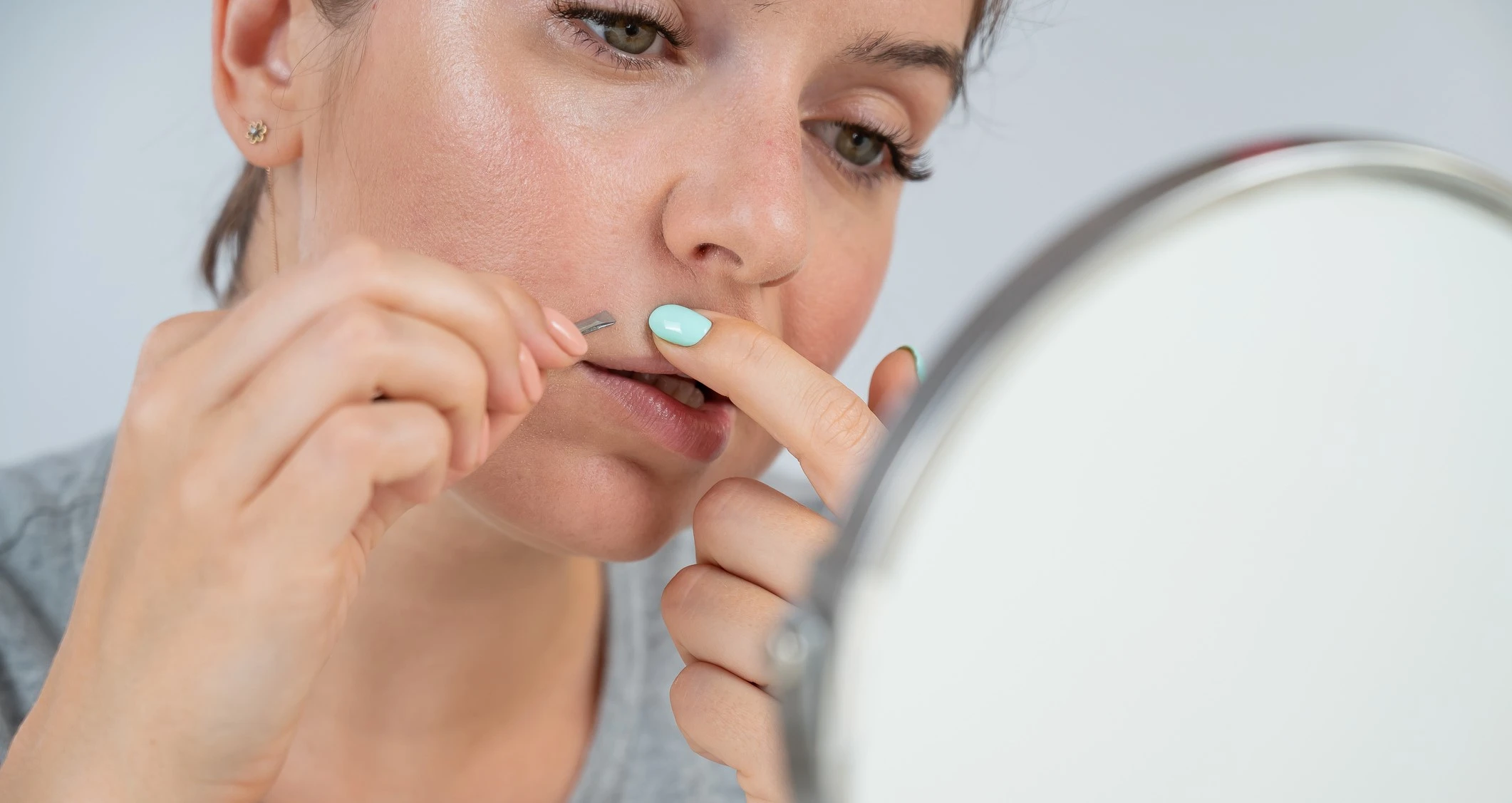
A few stray hairs on the chin or upper lip are common. But when facial hair becomes thicker, darker, or starts growing in areas typically associated with male-pattern hair growth, many women find it frustrating and emotionally distressing. Beyond appearance concerns, unwanted facial hair can sometimes signal an underlying hormonal imbalance that deserves attention. The good news is that modern dermatology offers effective long-term and near-permanent solutions. Understanding the cause is the first step toward choosing the right treatment. Excess facial hair growth in women is medically known as hirsutism. According to research published through the National Center for Biotechnology Information (NCBI), hirsutism affects a significant number of women during their reproductive years. The most common cause is increased androgen activity. Androgens are hormones present in both men and women, but elevated levels can stimulate excessive hair growth. PCOS is one of the leading causes of unwanted facial hair in Indian women. It may also cause irregular periods, acne, weight gain, and scalp hair thinning. Family history plays an important role. Some women naturally have denser facial hair due to hereditary factors. Some medicines may contribute to increased facial hair growth as a side effect. Hormonal changes during menopause can sometimes lead to new facial hair growth, particularly around the chin and jawline. Women commonly notice unwanted hair on: The hair may range from fine and light to thick and coarse. Many women rely on quick fixes, but not all methods offer long-term results. Laser hair reduction has become one of the most sought-after treatments for unwanted facial hair in India. A dermatologist evaluates skin type, hair colour, hormonal factors, and medical history. The number of sessions and laser technology are selected based on individual requirements. The laser targets pigment within the hair follicle, reducing its ability to produce new hair. Some women may require maintenance sessions, especially if hormonal conditions such as PCOS remain active. Clinics such as Siama often combine laser treatment with medical evaluation when hormonal causes are suspected. Treatment costs vary depending on the treatment area, clinic expertise, and technology used. Actual fees may vary based on location, equipment, and individual treatment requirements. Long-term reduction in facial hair Reduced need for waxing and threading Improved skin texture Fewer ingrown hairs Greater convenience and confidence Multiple sessions required Results vary between individuals Hormonal conditions may require ongoing management Initial treatment costs are higher than temporary methods Dermatologists across India report growing demand for laser hair reduction among women in their twenties, thirties, and forties. Increased awareness about PCOS, hormonal health, and advanced laser technology has encouraged more women to seek professional treatment instead of relying solely on temporary methods. Clinics are also adopting personalized treatment plans that combine laser sessions with hormonal assessments and skincare guidance to improve outcomes. Scientific evidence does not support this belief. Shaving changes the hair tip shape, making regrowth feel coarser. Hair grows in cycles. Multiple sessions are necessary to target follicles effectively. Sometimes it may indicate an underlying hormonal condition that requires medical evaluation. Unwanted facial hair in women is more than a cosmetic concern—it can sometimes reflect underlying hormonal changes or medical conditions. While temporary methods such as waxing and threading provide short-term relief, laser hair reduction offers a more convenient and long-lasting solution for many women. The key is identifying the root cause first. Clinics such as Siama emphasize personalized consultations to determine whether the issue is genetic, hormonal, or lifestyle-related before recommending treatment. A proper diagnosis combined with the right treatment plan can deliver smoother skin and lasting confidence. National Center for Biotechnology Information (NCBI) –https://www.ncbi.nlm.nih.gov Indian Association of Dermatologists, Venereologists and Leprologists (IADVL) –https://www.iadvl.org Ministry of Health and Family Welfare, Government of India –https://www.mohfw.gov.in National Health Portal of India –https://www.nhp.gov.in Siama –https://www.siama.inWhat Causes Unwanted Facial Hair in Women?
Hormonal Imbalances
Polycystic Ovary Syndrome (PCOS)
Genetics
Certain Medications
Menopause
Common Areas Affected
Temporary vs Permanent Hair Removal Solutions
How Laser Hair Reduction Works
Step 1: Consultation
Step 2: Treatment Planning
Step 3: Laser Sessions
Step 4: Maintenance
Laser Hair Reduction Cost in India
Benefits and Drawbacks
Benefits
Drawbacks
Expert Insights and Current Trends
Common Mistakes and Misconceptions
Myth: Shaving Makes Hair Grow Thicker
Myth: Laser Removes Hair Permanently After One Session
Myth: Facial Hair Is Always a Cosmetic Issue
Conclusion
Sources
Frequently Asked Questions
What is the most effective long-term solution for facial hair?
Laser hair reduction is currently one of the most effective long-term options for suitable candidates.
Can PCOS-related facial hair be treated?
Yes. Laser treatment combined with medical management often provides better results.
Is laser hair reduction safe for Indian skin?
Modern laser systems can be safe for many Indian skin types when operated by trained professionals.
How many laser sessions are usually needed?
Many patients require approximately 6–8 sessions, though individual needs vary.
When should I consult a dermatologist?
If facial hair growth is sudden, rapidly increasing, or accompanied by irregular periods or acne, professional evaluation is recommended.