
Men's Acne: Why It's Different and the Treatments That Work
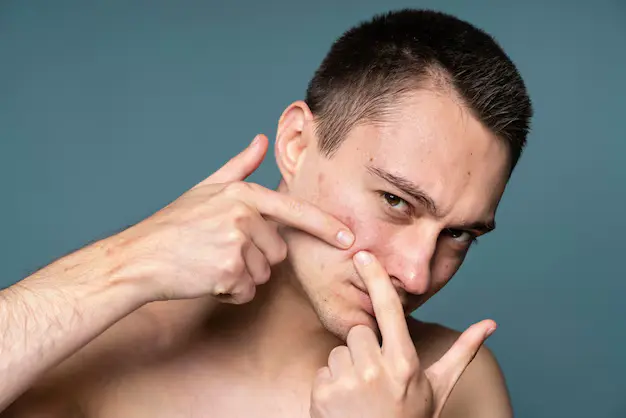
Although most people think of acne as a problem for teenagers, a large number of Indian men, too, continue with the problem even after reaching adulthood. Dermatologists across India are seeing an increase in the number of male patients who are looking for help with acne, oily skin, painful cystic acne, and sebum related acne scars. Although both men and women can suffer from acne, the degree of severity of men’s acne, the inflammatory nature of men’s acne, and how difficult it is to treat male acne, is often much greater than for women. The first step to finding treatments for male acne that work, is to understand why male acne occurs differently to women. There are a number of reasons why male acne occurs differently from female acne, the largest of which is due to hormonal differences. The two main hormones in men are the androgens (primarily testosterone) and the corticosteroids. In general, men have a higher basal level of androgens in their body, as well as having more responsive/hyper-functioning sebaceous glands. Increased androgen levels cause sebaceous glands to produce more oil (sebum), and when an individual has excessive amounts of oil, combined with dead skin cells, or bacteria, this can lead to clogged pores and inflammation. In addition to having higher levels of androgen hormones, male skin is also naturally thicker than female skin throughout life; oilier (due to having more sebaceous glands) than female skin throughout life; more likely than female skin to be prone to inflammatory acne; more likely than female skin to have deep cystic breakouts in nature; and caused by shaving (if an individual shaves) aggravating existing inflamed acne lesions. According to research by the National Center for Biotechnology Information (NCBI), Acne Vulgaris ranks amongst the most common dermatological disorders across the world and can have a significant impact on an individual's self-esteem, workplace confidence, and quality of life. Acne is more prevalent in men because they usually produce greater amounts of androgens (male hormones). This excess androgen creates more oil on the skin and can result in continued acne development. Work, sleep, and stress are all factors that can lead to hormone fluctuations, which can aggravate acne. Although diet alone will not cause acne, eating large quantities of high-glycemic and ultra-processed foods may contribute to some flare-ups. Gym-goers often develop acne on the back, chest, shoulders, and jawline from sweat, friction from gym clothes, and not cleansing after working out. Open (blackheads) Clogged Pores Closed (whiteheads) Clogged Pores Small Red Bumps (papules) Pus-filled Pimples (pustules) Deep Painful Bumps (nodules) Severe Acne that has a Higher Risk of Scarring (cystic) A dermatologist will obtain a detailed history of your skin type, acne severity, hormone levels, and previous treatments done. Based on this evaluation, the dermatologist will develop an individualized plan to treat your acne. Common products recommended by dermatologists include: Salicylic soap Benzoyl peroxide Topical retinoids Prescription acne medication Using one product consistently tends to work much better than using multiple products intermittently. Chemical peels, which can reduce oil production in the skin and help unclog pores and fade acne marks. HydraFacial specialized protocols may help to cleanse and hydrate deep within the skin, especially for those with active breakouts. Advanced laser technology can help decrease inflammation and improve pigmentation left behind after acne has resolved. Microneedling, radio-frequency microneedling, and laser resurfacing are becoming more common for Indian males who want to obtain smooth skin. Skincare clinics like Siama provide tailored treatment plans based on an individual's particular skin ailments rather than one-size-fits-all treatments. The cost of treatments varies according to the severity of acne and the suggested procedure. The costs will vary depending on your location, type of treatment, and type of clinic. The benefits of professional treatment for acne include fast resolution of the satisfaction of the client; minimization of scarring long-term; ability to develop individualised treatment plan; improved texture of the skin; and more effective long-term management. Multiple treatments may be required. Overall expenditures can accumulate. Each client will have varying amounts of improvement. Over-the-counter skin care will still play an important role in maintaining results. More people in the country are getting combination treatments for acne, cosmetic procedures to improve acne scarring, personalized skincare plans, AI-assisted skin analysis, or preventive dermatology consultations than ever before. Overall, there has been an increased demand among men for treatment before developing significant scarring from their acne. Multiple washings of the face in one day can cause the skin barrier to break down, which may cause the skin to produce excess oil. Exfoliating too often or using an aggressive exfoliant often cause more inflammation than good. Prolonged exposure to ultraviolet light can darken old areas of acne and worsen recovery time from the new acne. (i.e., random products found online). Often, looking for a solution to acne by purchasing products on the Internet does not actually treat the underlying reason for the acne. Men's acne is not simply a cosmetic concern. It is a medical condition influenced by hormones, skin structure, lifestyle habits, and genetics. Because male skin produces more oil and is often more prone to inflammatory breakouts, treatment usually requires a targeted approach rather than generic skincare products. Early intervention, dermatologist guidance, and consistent skincare remain the most effective strategy. Whether the goal is controlling active acne or reducing acne scars, modern treatments available in India provide more options than ever before. National Center for Biotechnology Information (NCBI) –https://www.ncbi.nlm.nih.gov Indian Association of Dermatologists, Venereologists and Leprologists (IADVL) –https://www.iadvl.org Ministry of Health and Family Welfare, Government of India –https://www.mohfw.gov.in National Health Authority –https://nha.gov.in World Health Organization (WHO) –https://www.who.int Siama –https://www.siama.inCauses of Acne in Men
Hormones
Sleep & Stress
Diet & Lifestyle
Gym Sweat-Related Acne
General Types of Acne Found in Men
Treatments that Really Work
Step One: Dermatologist Evaluation
Step Two: Medical Skin Care Products
Step 3 Clinical Acne Treatments
Chemical Peels
HydraFacial
Laser and Light Treatments
Acne Scar Treatments
Acne Treatment Cost in India
Benefits of Professional Treatment
Some Limitations
Recent Demand Trends Men’s Acne Treatment
Typical Mistakes with Acne Men Make
1. Over-cleansing Skin
2. Over-exfoliating with Heavy-Duty Scrubs
3. Not Using a Sunscreen
4. Self-Treating Without Physician Oversight
Acne Characteristics by Gender
Conclusion
Sources
Frequently Asked Questions
Why do men get more severe acne?
Higher testosterone levels stimulate increased oil production, making inflammatory acne more common.
How long does acne treatment take?
Most patients notice improvement within 6–12 weeks, although severe acne may require longer treatment.
Can gym workouts cause acne?
Indirectly, yes. Sweat, friction, and inadequate post-workout hygiene can contribute to breakouts.
Are acne scars permanent?
Many scars can be significantly improved with dermatological procedures, though complete removal may not always be possible.
Is professional treatment worth the cost?
For persistent or scarring acne, professional treatment can often save time, reduce long-term damage, and improve results compared to self-treatment.